The Dangers of Emotional Toxicity
We often think of toxicity in terms of chemicals, pollutants, or substances that can harm the body. But there’s another kind of toxin that can quietly bring harm to our well-being: the emotional and psychological toxicity experienced through unhealthy relationships, long-term negative mindsets, and environments that perpetuate destructive agendas. While we can’t control every person or circumstance in our lives, we can become more aware of what affects our emotional well-being, and learn to create healthy boundaries that protect our peace.

What Is “Emotional Toxicity”?
The word toxic is often used to describe people or relationships that consistently cause another to feel emotionally depleted, anxious, diminished, manipulated, or overwhelmed. A difficult conversation or a bad day doesn’t make someone toxic. It’s normal to have a disagreement or feel frustration or disappointment. Emotional toxicity is more about repeated patterns of behavior and interaction that negatively impact our sense of safety and self-worth.
These patterns may include:
Constant criticism - Belittling, name-calling, backhanded compliments, constant non-verbal disapproval;
Manipulation - Controlling behaviors such as gaslighting, deflecting, love bombing, scapegoating;
Chronic negativity - Projecting pessimism, resentment, and hostility; causing one to feel depleted rather than supported, emotionally draining;
Boundary violations - On-going disrespect; refusing to acknowledge another person's feelings;
Deflectiveness - Blaming others for problems without taking personal responsibility.

Recognizing these behaviors can help us avoid these interactions. The emotional toll of repeated exposure to conflict, criticism, negativity, or emotional instability can, over time, contribute to feelings of:
Stress and overwhelm
Anxiety or worry
Frustration and irritability
Emotional exhaustion
Self-doubt and sadness
Loss of confidence
Feeling disconnected
Sometimes the effects are subtle. We may begin feeling as if we’re walking on eggshells, second-guessing ourselves, or needing to explain or defend our choices. When this becomes a pattern, it can take us further away from the inner peace we need to thrive.

Stress Doesn't Stay Only in the Mind
Our emotional experiences and physical well-being are closely connected. When we face ongoing pressure, the body reacts. Stress is a normal biological response designed to help us navigate challenges, but prolonged or repeated stress can affect many aspects of our overall health and well-being. This is one reason why caring for our emotional health is an important part of caring for ourselves as a whole person.
Creating greater emotional balance isn't about eliminating every source of stress. That’s just not realistic - life will bring its fair share of hurdles, difficult people, unexpected circumstances, and uncomfortable situations. Instead, it’s about maintaining our calm and resilience, staying positive, and learning how to respond in appropriate ways.

The Importance of Boundaries
One of the most powerful tools in protecting our emotional well-being is through healthy boundaries - drawing a “line in the sand” by relaying a clear statement about what we are willing and unwilling to accept. For example, someone else’s emotions do not have to become our emotions. We can care about others without taking responsibility for how they feel, we can listen without absorbing their anger and negativity, we can be compassionate without allowing ourselves to be mistreated, and we can love someone and still establish boundaries. When everyone has a firm grasp of what’s acceptable and what’s not, this encourages a much more respectful and authentic relationship.

Self-awareness For Protecting Our Inner Peace
Am I feeling supported, respected, and energized? Or do I consistently feel anxious, criticized, or emotionally depleted? Is this a pattern with this person, or an isolated incident? Protecting our peace means becoming intentional about who we allow to occupy our emotional space.
We may choose to:
Nourish positive connections by spending time with those who are uplifting and supportive;
Limit conversations that repeatedly become destructive;
Practice mindfulness when feeling emotionally triggered, and self-regulation by giving ourselves permission to step away from conflict;
Seek restorative environments by spending time in nature, practicing gratitude, and engaging in activities that recharge us rather than drain us;
Utilize external support by seeking professional guidance when a relationship becomes particularly difficult or harmful.
Trying to change someone is never a viable choice, but changing how we respond when exposed to a toxic individual is the healthiest choice we can make in protecting our inner peace. Just as we become mindful about what food will nourish our bodies, we can become aware of those individuals who will nourish our minds and hearts. We can take note of:
The types of conversations we’re participating in;
Which relationships are nurturing;
What repeated thoughts are occupying our mind;
What environments are we spending time in;
What are we allowing to occupy our attention.
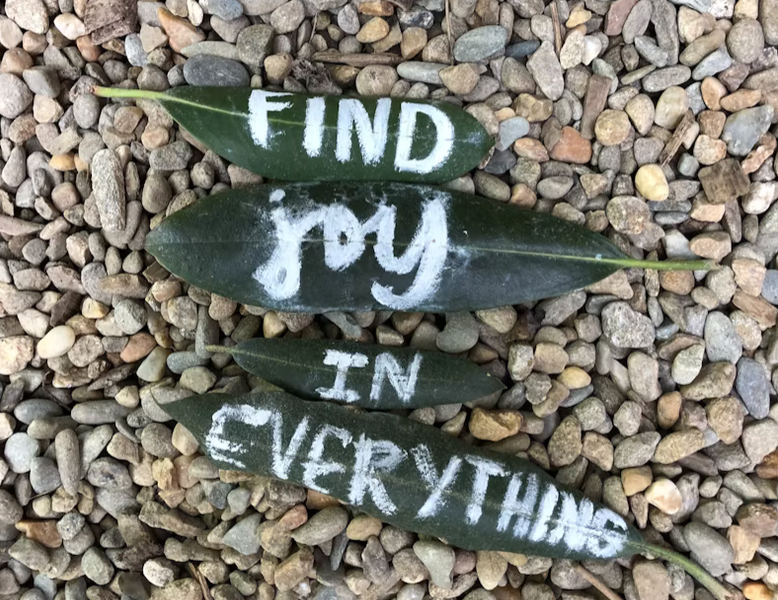
Sometimes, we don’t even realize how we contribute to our own unhealthy mental state. It happens quietly, simply by letting half-truths take hold of our thoughts and beliefs.
We can avoid this trap by being highly intentional about what we allow into our minds. By making a conscious effort to step away from negativity and pessimism, we can actively cultivate the ongoing optimism we need to thrive.
This doesn’t mean we should avoid sensitive or difficult topics of discussion. In fact, those conversations can be deeply empowering and thought-provoking. However, when an emotional state hardens into constant cynicism, positive thinking gets thrown out the window. In these moments, prioritizing our mental health is vital. A healthy step forward means choosing activities that inspire creativity and spark joy, while actively distancing ourselves from the toxic influences that fuel close-mindedness.
We can choose to place our attention on the gifts that life brings, instead of existing in a perpetual state of toxcity, which - over time - will only cause the erosion of one’s overall well-being. We can also choose to surround ourselves with those who illuminate our lives with sunshine and laughter, who enrich our minds with intellect and wisdom, and who grace our spirits with kindness and joy.

Research in neuroscience and psychology suggests there is a powerful bi-directional correlation between general unhappiness and constant negativity, cynicism, and pessimism - that they operate in a continuous loop feeding each other. The detriment from constant negative thinking, focusing on bad outcomes, and continually assuming the worst in others despite their proven good deeds, for example - can impact our ability to sustain emotional control and self-regulation. Eventually, these mindsets are no longer a simple or temporary emotion; they become the automatic default setting making our ability to find the positives in daily life, or to feel true authentic joy, incredibly difficult to achieve. But we can change how we think.

We can choose to have wholesome thoughts, to practice grace, to feel gratitude, to find good in others, and to direct our energy in positive ways. We can be intentional about living a life of elegance instead of a degraded existence. These are just some examples of how we can support and nourish an emotionally healthy, authentic, joyful, and thriving lifestyle for overall well-being!

These are my thoughts and opinions, just sayin’ … Until next time, stay healthy and stay well!

Favorite Products For Living Toxic-Free!
This month’s favorite is: