The Architecture of Calm
In a world that often seems to move at an increasingly rapid pace, calm can feel like a luxury. Our days are filled with responsibilities, notifications, deadlines, difficult conversations, and an endless stream of information. Even when our bodies are physically still, our minds may continue racing.

But what if calm isn't simply something we wait for? What if calm is something we can intentionally create?
I like to think of this as the “Architecture of Calm” - the conscious practice of creating an inner structure that supports peace, balance, resilience, and well-being. Just as the architecture of a home can influence how we feel when we enter it, the "architecture" we create within ourselves can influence how we move through our lives.

Calm Begins Within
We can’t always control what happens around us. Life will inevitably bring uncertainty, disappointment, stress, and challenges. We can, however, control ourselves to not react, and instead, respond in a calm manner.
When we are constantly operating in a state of worry, tension, or emotional overwhelm, it can become difficult to slow down and reconnect with ourselves. Creating moments of calm throughout the day provides us with an opportunity to pause, breathe, and remain present. This doesn't mean we’re ignoring difficult emotions or pretending that everything is okay. This is not about the absence of problems. True calm is the ability to find a sense of steadiness within ourselves, even when life around us feels unsettled. And, like any meaningful practice, developing greater calm takes intention and consistency.
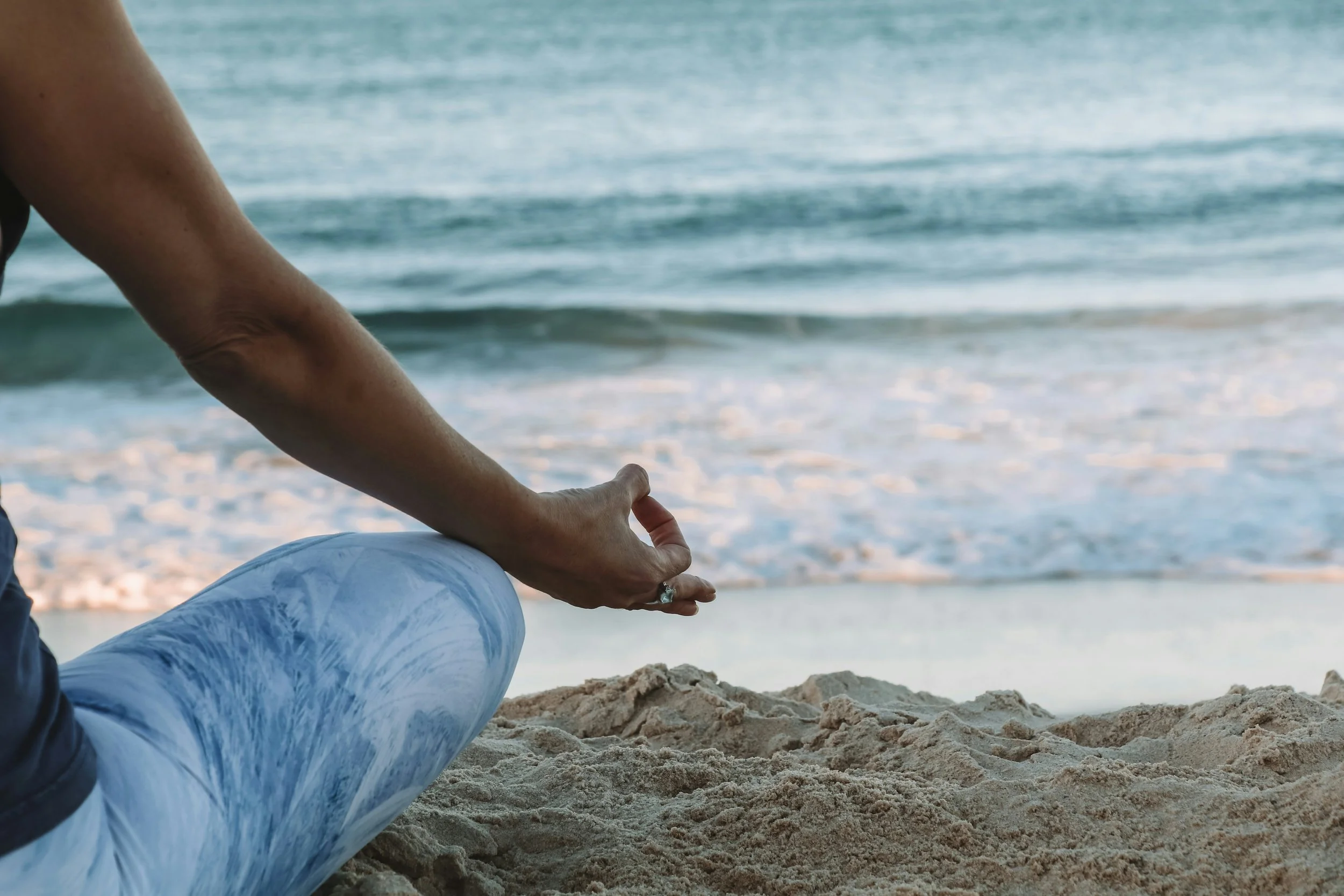
The Power of the Pause
One of the simplest ways to begin creating calm is to pause.
Take a few slow deep breaths before starting your day. Step outside and feel the sunlight or the breeze on your face. Put down your phone, close your eyes, and sit quietly for five minutes. Pay attention to the sensation of your feet touching the ground. These moments may seem small, but they create something incredibly valuable: Space.
Space between a thought and a reaction.
Space between stress and a response.
Space to take pause for our peace and calm.
Mindfulness teaches us to return our attention to the present moment rather than becoming consumed by what happened yesterday or what might happen tomorrow. Even a few minutes of mindful awareness can become a meaningful part of a daily wellness practice.

Mindfulness: Coming Home to the Present
Mindfulness doesn't have to mean sitting cross-legged in silence for thirty minutes every morning. It can be much simpler. It can be drinking your morning tea without scrolling through your phone. It can be taking a walk and noticing the trees, the sky and the sounds around you. It can be listening when someone is speaking rather than planning what you're going to say next. It is the practice of being fully present where you are at that very moment.
When our attention is constantly pulled in multiple directions, mindfulness gives us an opportunity to return to ourselves in the present moment.
One breath. One moment. One experience at a time.
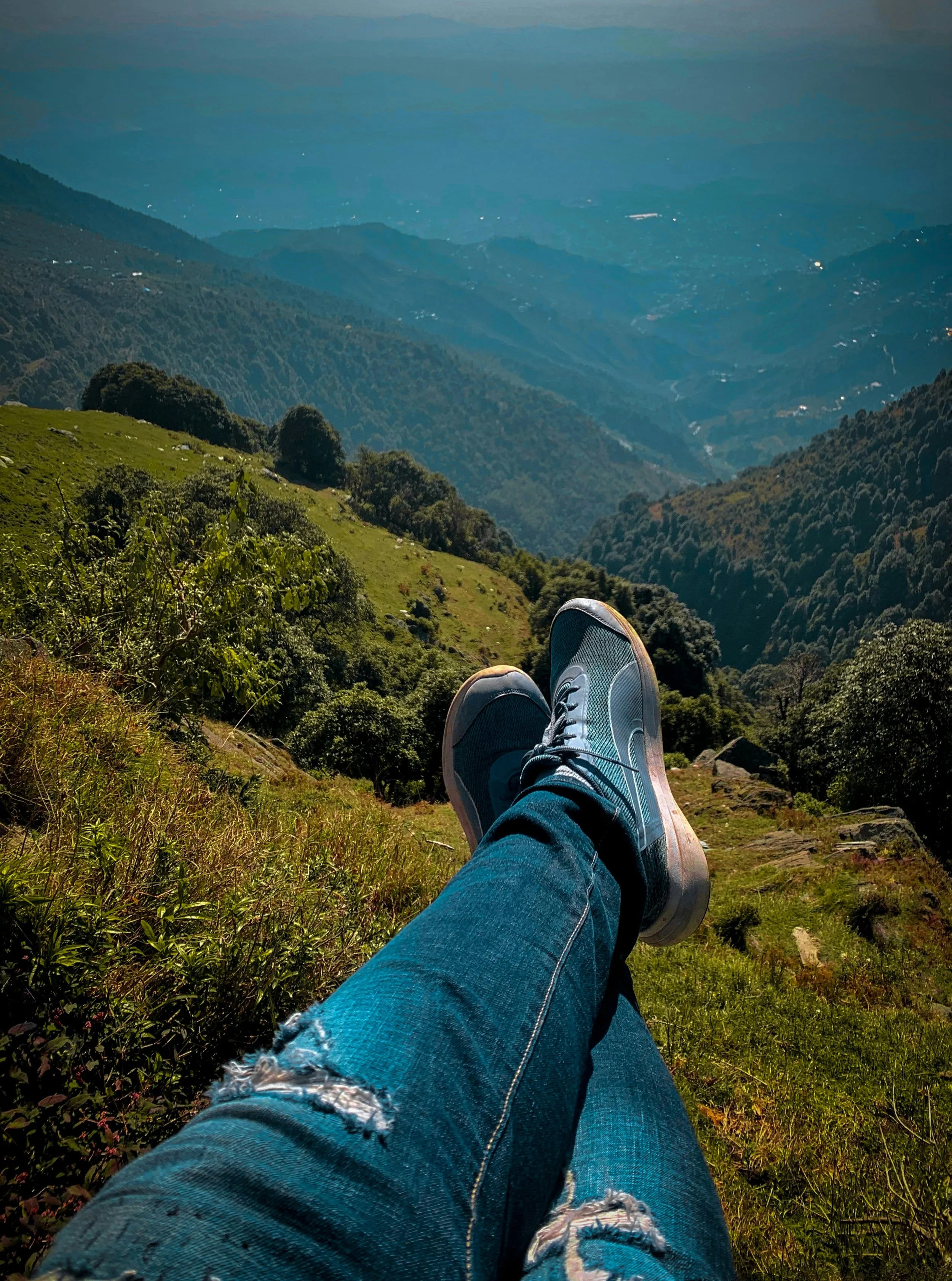
Reiki: Creating Space for Deep Relaxation
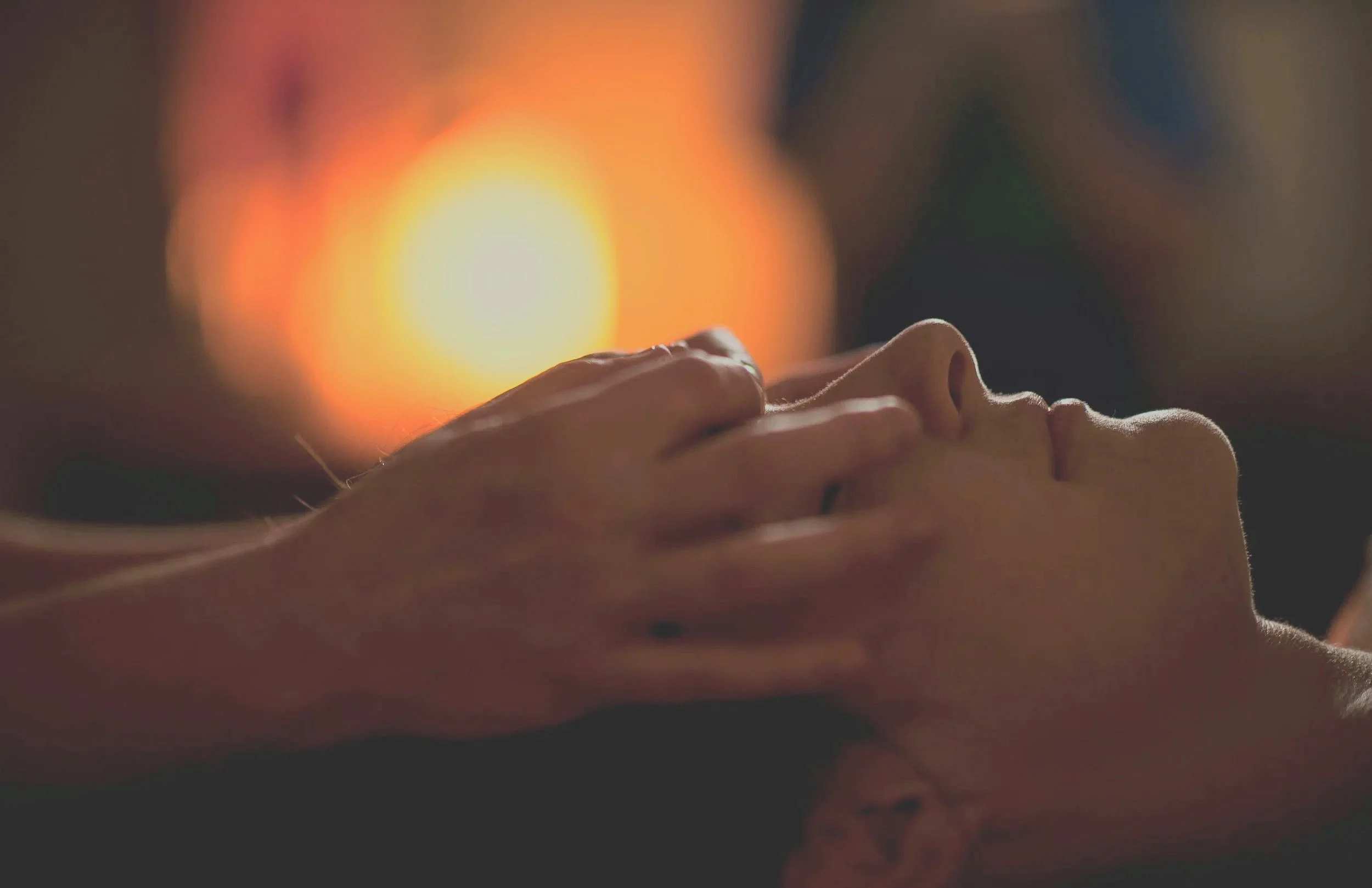
Reiki is an effective way to experience deep relaxation and serenity within a tranquil environment.
Whether you use Reiki for relief from stress and muscle tension, to help with physical or emotional healing, to regain balanced and restorative energy, or to simply step away from the demands of daily life, the value of setting aside a quiet time should not be underestimated. Giving ourselves permission for peace and calm is an important act of self-care.
Your Environment Matters
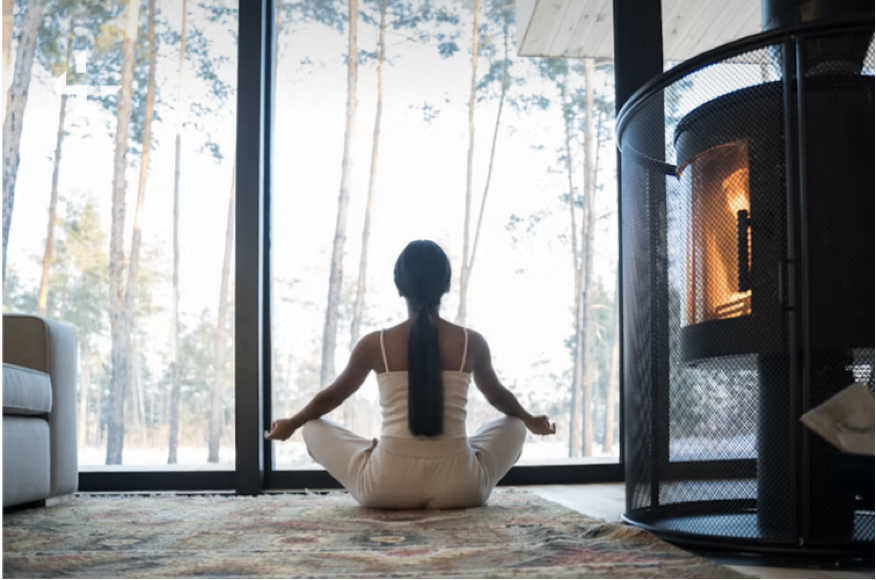
The architecture of calm isn't only about what happens inside our minds. Our surroundings can influence our experience as well. Consider the spaces where you spend your time. Are they cluttered or peaceful? Noisy or quiet? Chaotic or organized?
Creating calming surroundings might mean reducing visual clutter, bringing nature indoors, softening the lighting, playing soothing music, or simply designating a special area where you can sit quietly for a few minutes each day. Even a favorite chair by a window can become a personal sanctuary. The intent is not about having a perfect environment. The goal is to have a special area that reminds our nervous system - and our mind - that this is where I’m safe, this is where I’m at peace, and this is where I slow down.
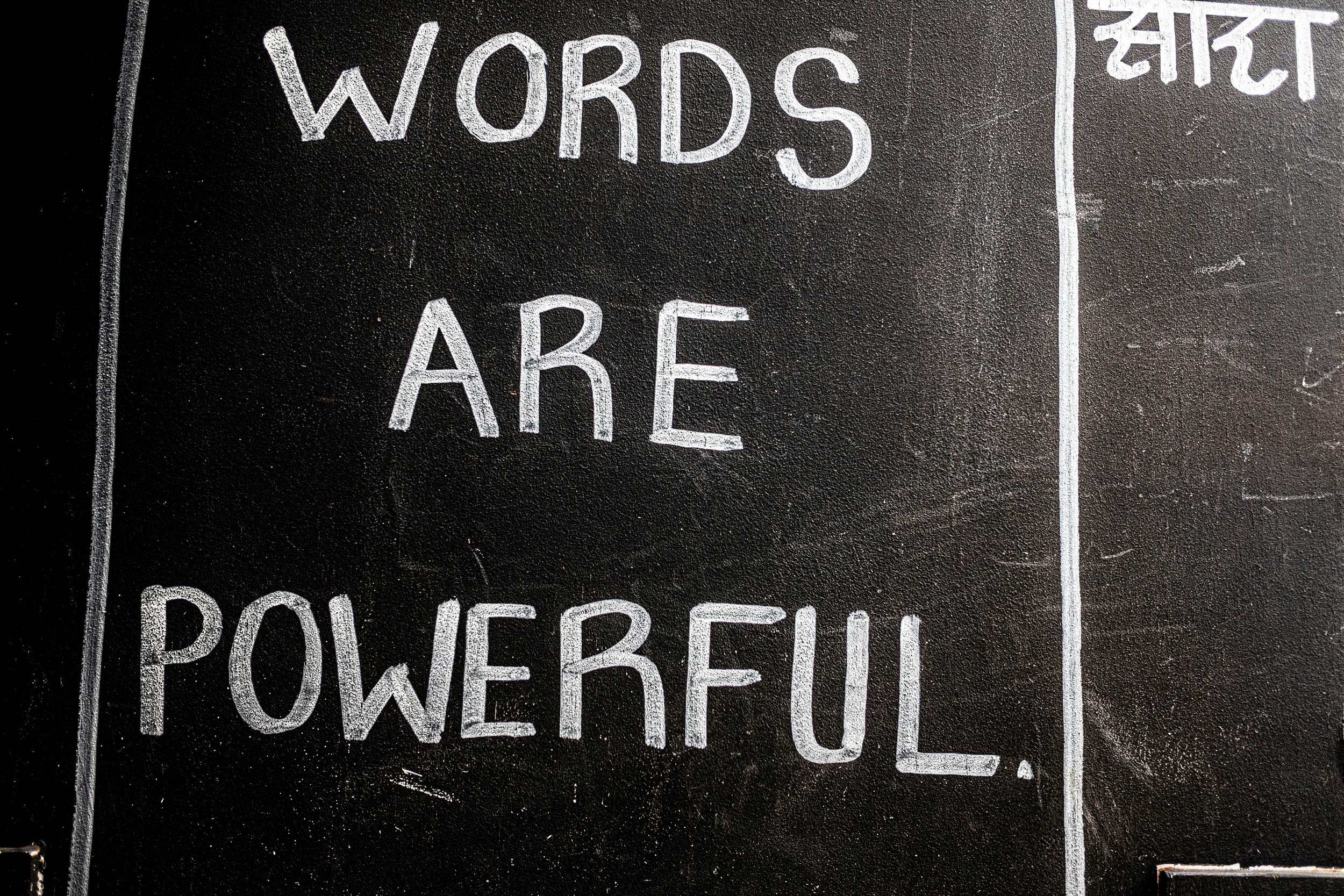
The Words We Speak to Ourselves Matter
Another important element in the architecture of calm is the way we speak to ourselves. We can be incredibly compassionate toward the people we love while being remarkably harsh with ourselves.
"I should have done more."
"I'm not good enough."
"Why can't I handle this?"
These thoughts can become habitual if we aren't conscious of them. What would happen if we began replacing self-criticism with compassion?
Instead of: "I should be handling this better," try: “I’m doing my best in this moment.”
Instead of: "I can't do this," try: "I can take this on one step at a time."
This isn't about pretending everything is fine. It's about choosing thoughts that support resilience rather than words that continually reinforce fear, helplessness, or self-judgment.
Kindness Is Part of the Architecture
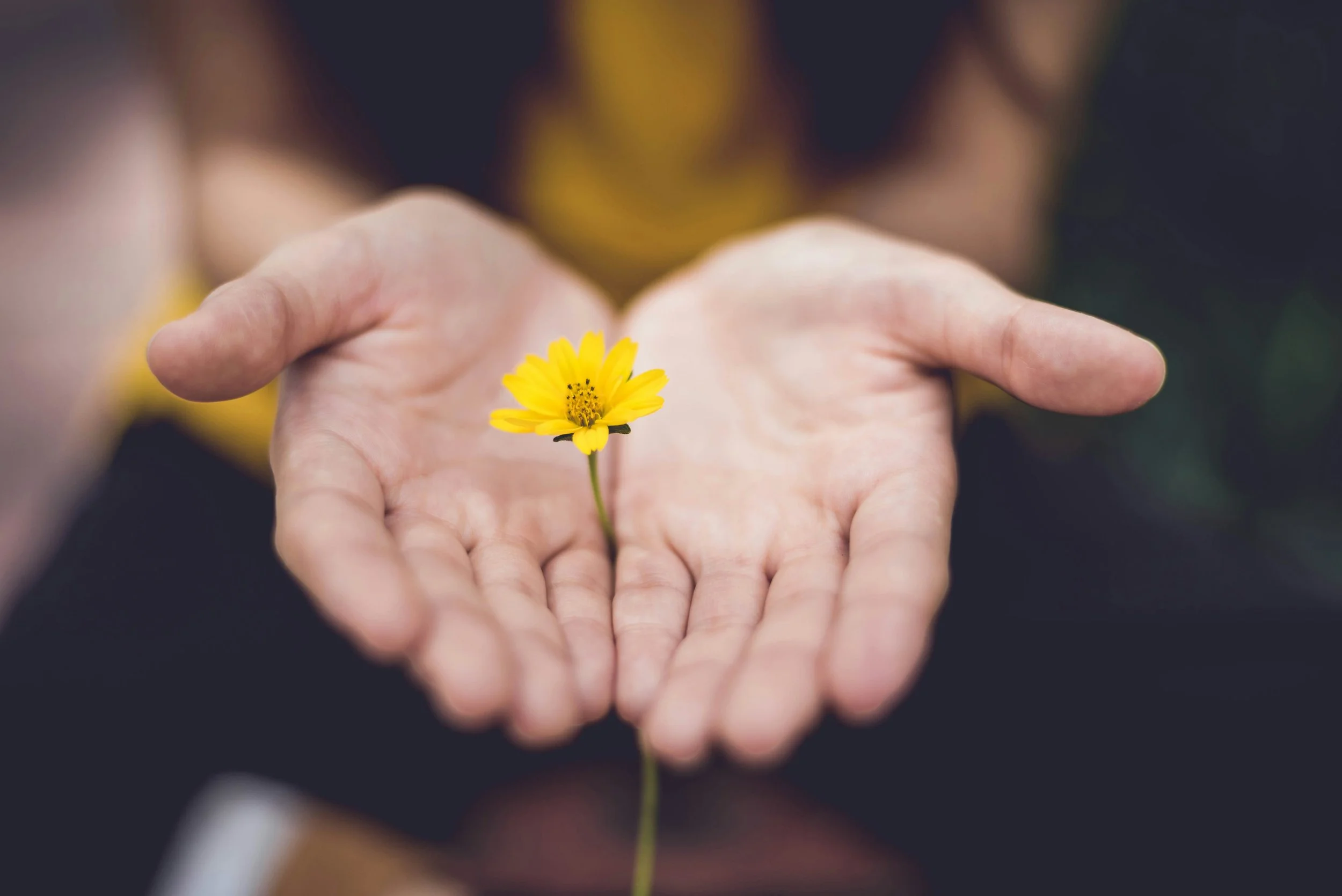
Calm isn't something we only cultivate for ourselves. Calm can foster kindness in our interactions with others - a kind word, a genuine smile, helping others, listening without judgment, offering a little more grace and patience.
When we practice kindness, we shift our attention away from constant self-focus and toward connection. And sometimes the smallest acts of kindness can have a profound calming effect on how we feel.
Creating A Daily Ritual of Calm
There is no single formula for creating inner peace. What works well for one person might not work for another. The important thing is to find what works effectively for you and to incorporate those practices for your daily calm.
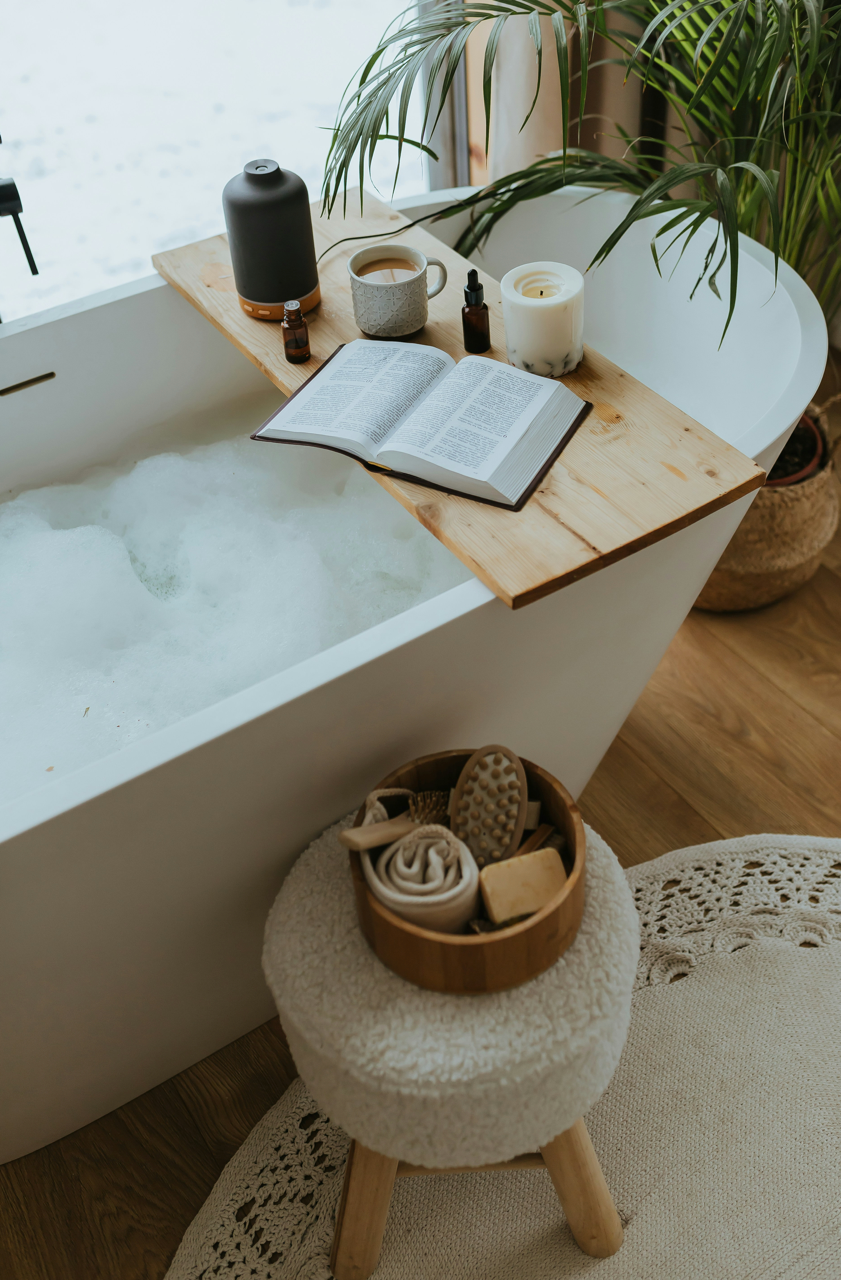
You might begin with five minutes each morning of mindful breathing, taking a brisk walk and noticing nature, taking a long relaxing bath before going to bed each evening, or writing down at least one thing you are grateful for each day.
These small rituals, whatever they may be, will become the building blocks of a calmer life.
Calm Is a Practice - Not a Destination
There will always be times when calm feels out of reach due to unexpected challenges, busy schedules, and moments when our emotions will feel bigger than our ability to manage them. And that’s okay. The goal is not to live in constant serenity, but to develop tools that help us return to our state of calm.
The more we can consistently practice mindfulness, relaxation, self-compassion, Reiki, time in nature, gratitude, kindness, and other supportive wellness tools, the more familiar these actions will become in our daily life. Caring for our emotional health is one of the best habits we can foster in having a meaningful impact on our overall wellbeing, including the way we think, how we handle difficulty and stressful situations, and how we interact with others.
Building Our Architecture of Calm
We don’t have to change our entire life to begin building our architecture of daily calm. Start with just one thing that works for you. Then do it again tomorrow. And then again the day after.

Because inner peace isn't something we necessarily find. It’s something we can begin to build - one breath, one thought, one mindful moment at a time.
That is the architecture of calm.
These are my thoughts and opinions, just sayin’ … Until next time, stay healthy and stay well!

This month’s favorite is:

This steam cleaner is my all time favorite! I use it to clean everything - the kitchen, the bathrooms, my hardwood floors, my marble floors, the fridge, the oven, furniture, the walls, upholstery, the deck, the windows and much much more ~
With various attachments, it makes cleaning a breeze. And the best part is I don’t have to use cleansers! It heats regular tap water to superheated dry steam temperatures reaching up to 316°F, killing 99.9% of bacteria, viruses, and pathogens on contact. Zero toxicity.
Love, love, love my dupray!